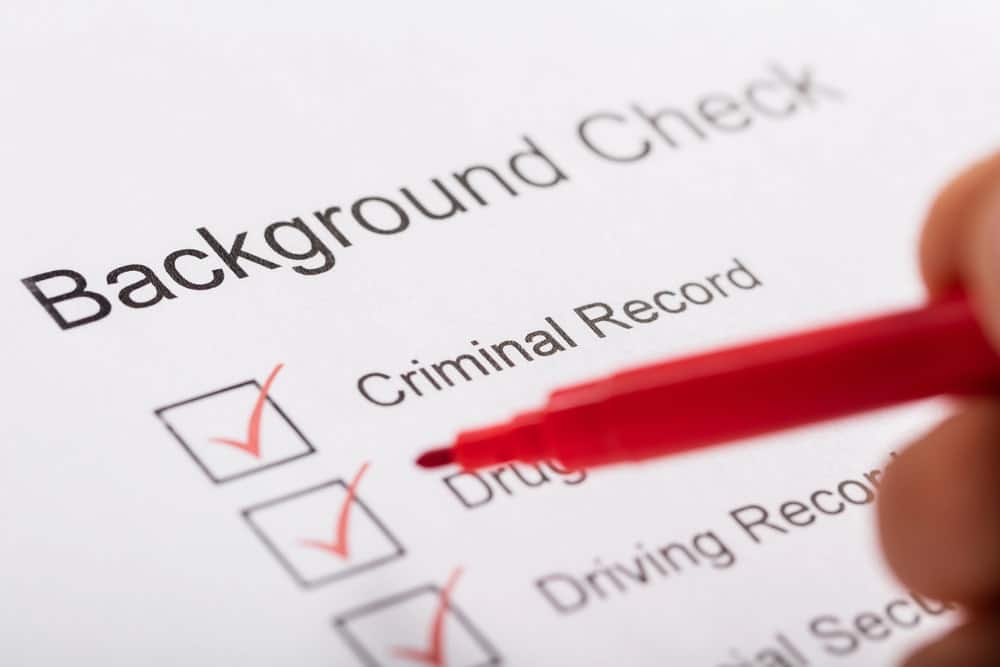
A hiring manager pauses over a background report, noticing a detail that could affect whether a candidate is cleared to work around students. In Seattle, these reports often include criminal history checks, employment verification, certification review, and conduct-related findings that shape hiring decisions. Each step is meant to surface concerns early and confirm that applicants meet the required safety and professional standards.
For positions involving unsupervised contact with students, state law requires criminal history checks through both state and federal systems, including fingerprint-based screening to confirm identity and accuracy. RCW 28A.400.303 requires schools to complete or initiate fingerprint-based background checks before individuals begin roles with direct student access, with some positions handled conditionally while results are pending. These requirements create a consistent process that helps schools rely on verified records rather than incomplete information.
In practice, many schools combine these required checks with additional verification steps to build a more complete picture of each candidate. This may include reviewing prior employment, professional conduct history, and certification status to identify any concerns tied to the role. An experienced private investigator in Seattle can help schools, employers, and applicants clarify background findings, verify records, and address concerns before they affect hiring decisions.
Key Takeaways
- Washington schools review criminal history, identity checks, and relevant registry information first to assess safety risks.
- Employment history and past employer feedback help confirm roles, performance, and patterns of professional conduct.
- Certification and licensing records are verified to ensure applicants meet role-specific qualifications and standards.
- Additional checks, like references and civil findings, provide context that may influence final hiring decisions.
Criminal Records Schools Review First
Schools often begin with criminal history because it reveals concerns that directly affect student safety and trust. This initial review helps hiring teams identify potential risks early while guiding the next steps in the screening process.
State and Federal Criminal History Searches
Background checks typically begin with state-level searches that identify reportable criminal history records available through Washington systems, including conviction-related information and other legally accessible records. These results are then supported by broader national searches, which help uncover records that may exist outside the state. Together, these layers create a more complete view of an applicant’s history and reduce the chance of missing important details. As the review continues, attention remains focused on offenses that raise concerns about safety, reliability, and professional judgment.
Identity and Registry Cross Checks
After reviewing criminal history, schools move to confirm that each record is accurately tied to the correct individual. Fingerprint-based identification helps prevent confusion caused by similar names or incomplete records. Registry searches may also be conducted, particularly when roles involve direct or unsupervised contact with students. By comparing information across multiple sources, schools strengthen the accuracy of their findings and support more confident hiring decisions.
Employment History That Gets Verified
Employment history often becomes the next focus once initial screening steps are complete. Schools review past roles to confirm consistency while identifying patterns that may affect hiring decisions.
Confirmation of Previous Roles
- Schools verify prior employment to confirm that reported roles match actual work history and responsibilities.
- This process may include contacting past schools or employers to confirm dates, titles, and duties.
- Any gaps or inconsistencies are carefully reviewed to determine whether they reflect normal transitions.
- Matching reported roles with verified records helps create a clear and reliable employment timeline.
What Past Employers May Reveal
- Past employers may share information about performance concerns that are not reflected in formal records.
- These insights can include patterns in behavior, reliability, or workplace conduct.
- Washington law allows schools to consider conduct related to fitness to work with students.
- This broader review helps schools assess whether an applicant meets expectations for safety and professional behavior.

Certification and Qualification Records Checked
After employment history, schools review certification records to confirm that applicants meet the required standards for their roles. This step helps ensure that each individual holds valid credentials and meets eligibility expectations for student access.
Licensing and Credential Verification
Schools verify teaching licenses and endorsements to confirm that each credential is current and properly issued. This process also confirms whether the applicant meets eligibility requirements for the assigned role or subject area. Any disciplinary actions tied to certification are reviewed to understand their impact on professional standing. Together, these checks help schools rely on accurate records when making final hiring decisions.
Screening for Non-Instructional Roles
Screening also applies to aides, contractors, and support staff who may interact with students during daily activities. The level of review often depends on how much direct or unsupervised access the role involves. Even when positions are not instructional, verification still extends to background details that affect safety and reliability. This broader approach helps ensure that all individuals working within the school environment meet consistent standards.
Records That May Not Appear in Basic Checks
Some information may not appear in standard background reports, but still plays a role in hiring decisions. Schools often review additional records to better understand patterns that may affect reliability and judgment.
Civil and Court-Related Findings
Schools may review relevant civil cases when they relate to conduct that could affect the role. This can include identifying protective orders or other legal concerns tied to personal or professional behavior. While these records are not always part of basic checks, they may still provide useful context. Over time, patterns drawn from these findings can help schools assess consistency, reliability, and decision-making.
Reference and Reputation Checks
Schools also gather direct feedback from supervisors or institutions that have worked with the applicant. These conversations help confirm behavior, reliability, and responsibility in prior roles. When responses differ from reported history, those inconsistencies are reviewed more closely. This step helps schools develop a clearer, more balanced understanding before making a final decision.
How Screening Is Applied in Seattle Hiring Processes
Screening in Seattle follows state requirements while reflecting local hiring practices within individual districts. Schools apply structured review steps to ensure that each decision aligns with safety expectations and operational standards.
How Seattle Schools Process Background Reports
- Schools begin with state and federal background checks as part of the initial screening process.
- These checks often use records from the Washington State Patrol and the FBI as a baseline.
- Fingerprint-based screening is required for roles involving direct or unsupervised access to students.
- Results are reviewed alongside application materials to confirm consistency across all submitted information.
Why Local Hiring Standards Affect Outcomes
- Districts in King County may apply additional review steps beyond the minimum state requirements.
- These checks can include a deeper evaluation of background findings before final approval is granted.
- Applicants may experience differences in how their information is reviewed across districts.
- Final decisions reflect both statewide rules and district-level practices that shape hiring outcomes.

How Background Findings Are Evaluated Before Hiring
Before making final decisions, schools review background findings to understand their impact on the role. This step helps move beyond raw records and focus on context, relevance, and potential risk.
How Reported Information Is Interpreted
Schools review the timing and nature of each finding to understand when it occurred and how serious it was. This information is then assessed in relation to the specific role and its daily responsibilities. Positions with greater access to students often require closer review of any concerns that appear. These factors help determine whether the information affects suitability for the position. For example, an applicant may disclose a past dismissed charge, but the background report still shows related court activity. In that situation, the hiring team may need additional context before deciding whether the issue affects student safety or job fitness.
Where Deeper Verification Becomes Important
Some background reports include older or nonviolent findings that require closer review before decisions are made. Standard checks may not fully capture the context, leaving important details unclear. In these situations, additional verification helps clarify whether the concern reflects a current risk or a past issue. This deeper review supports more informed decisions while reducing the chance of misinterpretation.
Contact a Private Investigator in Seattle
Washington schools review several types of information before hiring staff, especially for roles involving student access. In Seattle, background reports often include criminal history checks, employment verification, certification review, and reference feedback. These combined steps help identify concerns that may not appear through a single search.
For organizations working with schools, understanding what is reviewed is only one part of the process. Accurate verification and deeper background analysis help clarify details that standard checks may miss. This approach supports more confident decisions when placing individuals in school environments.
At KCA Investigations, we understand how challenging it can feel when background findings begin to affect hiring decisions or professional opportunities. Our team reviews records carefully, explains each step clearly, and helps address concerns before they create larger obstacles. Contact us today or call (971) 804-8993 to speak with an experienced Seattle private investigator who can guide you through the process and help protect your future.
