Licensing decisions often begin with a closer look at an applicant’s background. Professional boards review identity records, criminal history, and past conduct to determine whether someone meets the standards required in positions involving public trust. For individuals entering regulated fields, understanding how these reviews work is an important step in preparing for the licensing process.
Washington law allows certain licensing agencies to request fingerprint-based background checks when evaluating applicants for regulated professions. These fingerprints allow agencies to review both state and national criminal history records during the licensing process. The goal of these checks is to help licensing boards determine whether an applicant can perform professional duties safely and responsibly.
State law provides the authority for these reviews through Revised Code of Washington RCW 18.130.064. This law allows certain health profession licensing agencies to review criminal history information while evaluating license applications. When questions arise during this process, skilled private investigators in Seattle can help applicants understand their rights and address licensing concerns before they affect their professional career.
Key Takeaways
- Licensing boards in Washington review criminal history, identity records, and credentials to evaluate professional license applications.
- Fingerprint-based background checks may allow agencies to examine both state and national criminal history records.
- Local court records in Seattle often help licensing boards confirm case outcomes and verify legal history.
- Missing records, identity errors, or unclear case dispositions can delay licensing approval during background review.
Why Professional License Background Checks Exist
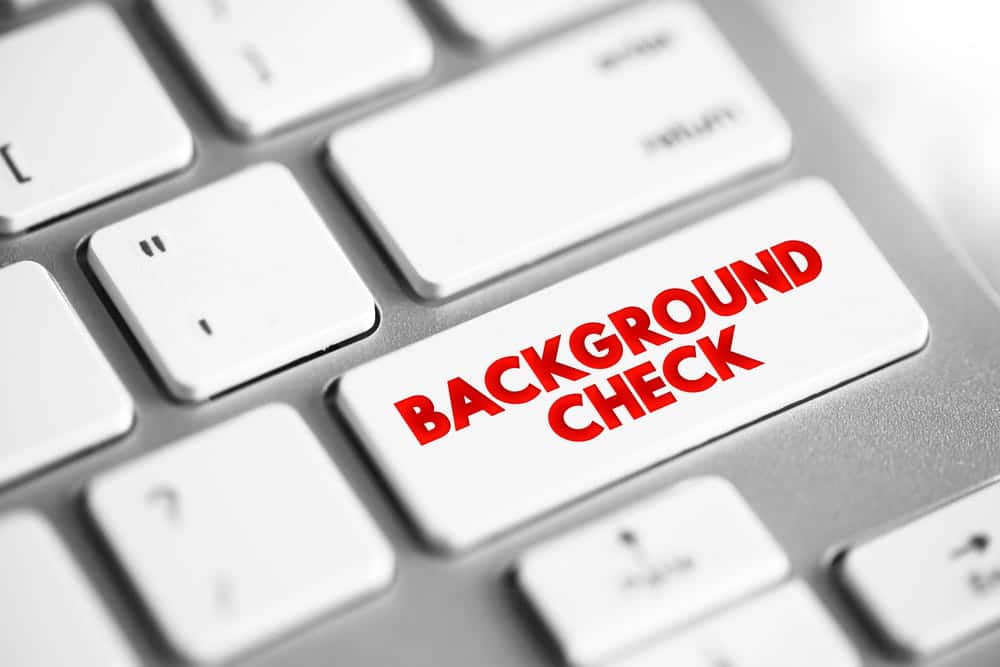
Professional license background checks play an important role in protecting the public and maintaining confidence in regulated professions. These reviews allow licensing boards to evaluate applicants carefully before granting authority to practice in fields that require responsibility and trust.
Protecting Public Safety
Licensing agencies use background checks to ensure individuals entering regulated professions do not pose risks to clients or the public. By reviewing criminal records and past conduct, boards can identify behavior that may relate to professional responsibilities or workplace safety. This process helps regulators recognize warning signs that could affect an applicant’s ability to perform professional duties responsibly.
Maintaining Professional Standards
Background reviews also allow licensing boards to confirm that applicants meet the ethical and legal expectations required in their profession. When agencies examine past conduct, they can better determine whether an individual demonstrates the judgment and accountability expected in regulated work. These evaluations allow boards to consider whether earlier actions could affect professional responsibility in the future.
Who Requires Background Checks in Seattle
Many regulated professions in Seattle require background checks before applicants receive approval to practice. These checks allow licensing authorities to review past conduct and confirm that applicants meet professional eligibility standards.
Washington State Licensing Agencies
- Most professional licenses in Washington are issued through state regulatory boards that oversee specific industries.
- These agencies review background information when evaluating whether applicants qualify for licensing approval.
- Healthcare, childcare, financial services, and security roles often require screening due to their public responsibility.
- Each profession follows its own rules, so licensing boards apply different review standards during the process.
Professions Commonly Subject To Screening
- Several professions in Seattle require background checks before licensing approval.
- Healthcare providers and medical professionals are often screened because they are responsible for patient care and safety.
- Financial services and insurance professionals may undergo screening because they manage sensitive financial information.
- Childcare providers, educators, and security personnel frequently face screening because their work involves protecting vulnerable individuals and maintaining public safety.

What Information Is Reviewed During Licensing Checks
Licensing background checks allow regulatory boards to examine records that help determine whether applicants meet professional standards. These reviews focus on both legal history and credential verification during the licensing evaluation process.
Criminal Record and Legal History
Licensing agencies may search state and national criminal history databases while reviewing applications for regulated professions. Boards examine arrest, charge, and conviction records to determine whether past conduct could affect professional responsibilities. Case outcomes receive careful attention because dispositions show how previous charges were resolved. This information helps licensing authorities evaluate whether an applicant can safely perform professional duties.
Identity and Credential Verification
Licensing boards also verify identity to prevent errors that could result from incorrect record matches. Confirming personal information ensures that background checks reflect the correct applicant during the review process. Agencies also verify education, training, and professional certifications required for licensing approval. Prior licenses or disciplinary history may also be reviewed to evaluate an applicant’s professional background.
Where Seattle Licensing Records Are Verified
Licensing background checks often require confirmation of court records to ensure an accurate review of an applicant’s legal history. In many situations, agencies verify information through local court systems before final licensing decisions are made.
Local Court Record Sources
Licensing reviews may require verification of case records from King County Superior Court or Seattle Municipal Court. Applicants may need to obtain court documents or confirm case outcomes during the background review process. These records allow licensing boards to determine whether charges were dismissed, resolved, or resulted in convictions. Accurate documentation enables regulators to evaluate criminal history based on reliable information.
Why Local Records Matter
Local court records often provide the most reliable details about how criminal cases were resolved. Licensing boards rely on these records to confirm whether an arrest resulted in dismissal, conviction, or another outcome. When case dispositions are missing, background reviews may pause while agencies request additional documentation. Clear court records allow licensing authorities to evaluate eligibility without unnecessary delays.
How Criminal History Information Is Reviewed
Licensing agencies review criminal history information to determine whether past conduct affects professional eligibility. These reviews rely on verified records from law enforcement agencies and court systems.
Criminal Record Reporting and Disclosure
- Background checks rely on criminal history records maintained by law enforcement agencies and courts.
- These records may include arrests, charges, and other legal information relevant to licensing reviews.
- Accurate disposition information helps licensing boards understand how past cases were resolved.
- Clear reporting allows agencies to evaluate whether criminal history affects professional eligibility.
Legal Authority Governing Record Dissemination
- Criminal history information may be released to authorized agencies during professional licensing reviews.
- Licensing authorities rely on official records when evaluating whether applicants meet eligibility standards.
- Washington law regulates how criminal history information may be shared with authorized agencies.
- These rules govern the dissemination of criminal history record information.
Issues That Can Delay Professional License Approval
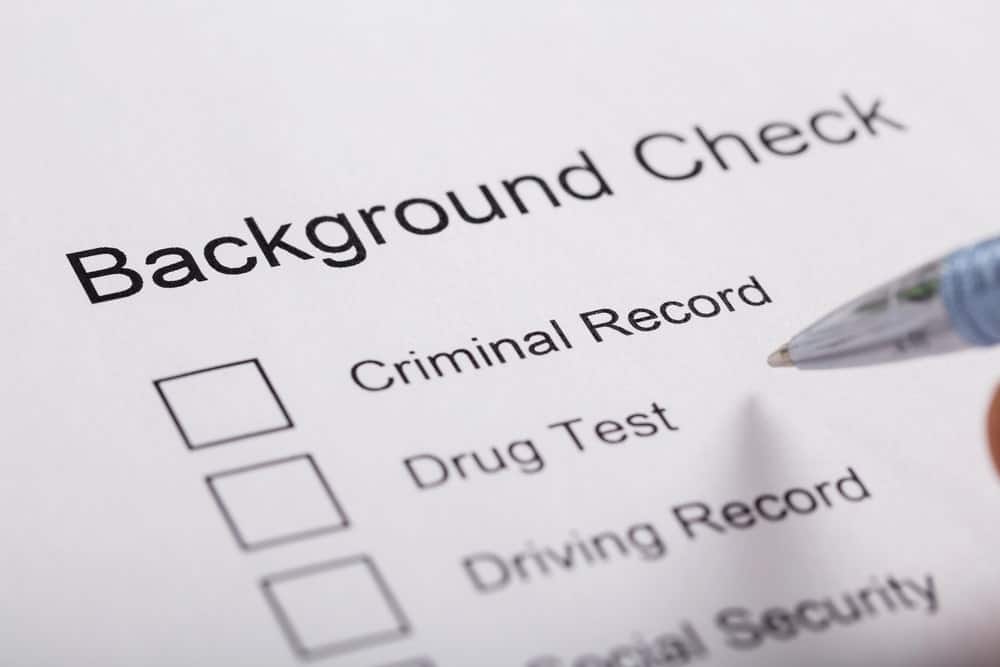
Background checks sometimes reveal issues that require additional review before a license can be approved. When information is incomplete or unclear, licensing boards may pause the process while verifying records.
Errors or Missing Information in Background Reports
Background reports occasionally contain incorrect identity matches that appear during criminal record searches. These errors can create confusion if records belong to someone with a similar name. Missing case dispositions can also delay licensing reviews because boards must understand how cases ended. Applicants may need to obtain court documents to clarify past cases and resolve uncertainty.
When a Past Record Appears During Screening
During a licensing application, an older misdemeanor may appear during a routine background check. In many cases, the licensing board reviews the court disposition and the applicant’s professional history. This review allows regulators to understand the context surrounding the record before making a decision. Clear documentation and a consistent work history often help licensing authorities evaluate eligibility.
Call a Private Investigator in Seattle
Background checks remain an important part of the professional licensing process in Seattle. Licensing authorities review criminal history, confirm identity information, and verify professional qualifications before approving applicants to work in positions that involve public responsibility. When records are complete and accurate, these reviews usually move forward without significant delays.
However, problems such as missing court records, identity errors, or unclear case outcomes can slow the licensing process. Understanding how background checks work helps applicants prepare the correct documents and address concerns early. Careful preparation, accurate records, and transparency often help professionals move through licensing reviews more smoothly.
At KCA Investigations, we understand how confusing professional licensing background checks can become, especially when a past record or missing information appears during the process. Our experienced Seattle private investigator helps applicants review their records, address licensing concerns, and prepare accurate documentation before issues delay approval. Contact us today or call (971) 804-8993 to discuss your situation and learn how we can help you move forward with confidence in your professional licensing process.